
Diagnosing What's Killing Your Trees
Arboricultural Services in El Paso for identifying disease patterns and assessing structural tree risks
Yellowing leaves in midsummer, oozing bark at the trunk base, or sudden branch dieback all signal underlying problems that won't resolve without intervention. Arboricultural services from TLC Unlimited address disease diagnosis, pest identification, soil deficiencies, and structural risk assessment for property owners across El Paso whose trees show decline despite adequate watering. Desert alkalinity, compacted soil, and heat stress create conditions where even established trees struggle, and symptoms often appear long after damage begins.
Professional assessment involves examining foliage for discoloration patterns, inspecting bark for insect activity or fungal growth, testing soil pH and nutrient levels, and evaluating root health through excavation or visual inspection. Certified arborists document findings, identify causal factors, and develop treatment plans that address the specific pathogen, deficiency, or environmental stressor affecting the tree.
Request a tree health evaluation to determine what is causing visible decline and whether intervention can reverse damage.
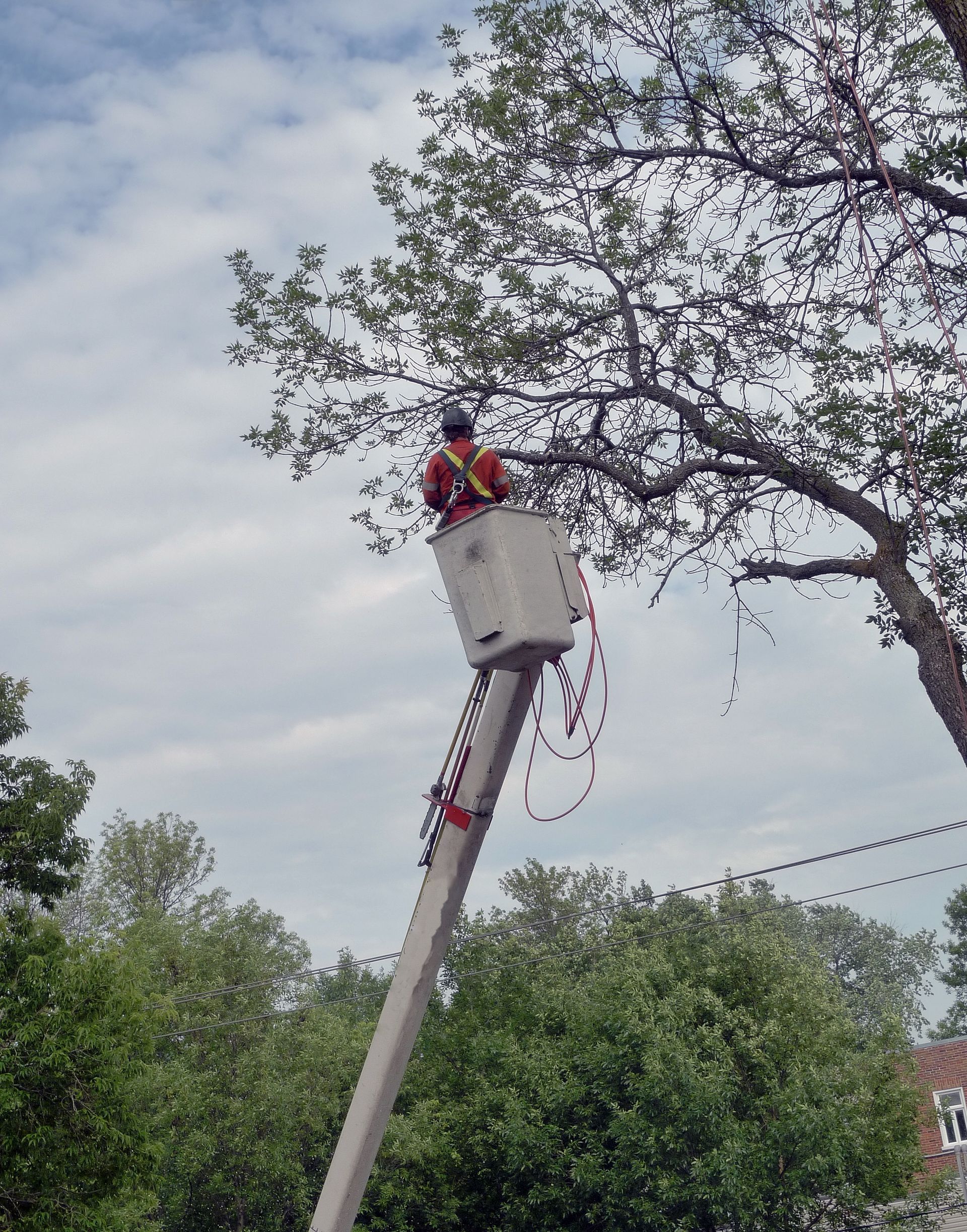
What Tree Health Assessments Actually Accomplish
Health assessments measure indicators like canopy density, leaf size and color, cambium condition beneath the bark, and root structure to determine whether a tree is declining from disease, environmental stress, or structural failure. Soil testing reveals pH imbalances and nutrient deficiencies common in El Paso's caliche-heavy ground, where alkaline conditions lock out iron and other minerals essential for chlorophyll production. Risk assessments evaluate whether decay, root damage, or compromised structure make the tree a hazard to buildings or people.
After assessment, you receive documentation that identifies the specific issue affecting your tree, explains what caused the problem, and outlines whether treatment, pruning, or removal is the appropriate response. For trees worth preserving, TLC Unlimited develops care plans that may include soil amendments, pest treatments, corrective pruning, or trunk injections depending on diagnosis.
Preservation planning prioritizes high-value specimens, heritage trees, or those providing critical shade and windbreak functions. Risk reports support insurance claims, property transactions, or liability assessments when tree failure could damage structures or injure occupants.
Common Questions About This Service
Arboricultural services often raise questions about what gets tested, how problems are identified, and when professional assessment becomes necessary.
What signs indicate a tree needs professional assessment?
Sudden leaf drop outside of dormancy, bark splitting or peeling, mushrooms growing at the base, or visible decay in major limbs all warrant arborist evaluation.
How does soil testing help diagnose tree health issues?
Soil analysis reveals pH levels, nutrient availability, and compaction that affect root function, often explaining why trees yellow despite regular watering or fail to grow vigorously.
What does a risk assessment evaluate?
Arborists examine trunk integrity, root stability, branch attachment strength, and proximity to structures to determine likelihood of failure and potential damage if the tree or limbs fall.
Why do trees decline even with adequate irrigation in El Paso?
Alkaline soil common throughout the region binds nutrients like iron and manganese, preventing uptake even when water is plentiful, leading to chlorosis and stunted growth over time.
What certifications should an arborist have?
Certified arborists hold credentials from the International Society of Arboriculture, demonstrating knowledge of tree biology, diagnosis methods, and care standards verified through examination.
TLC Unlimited conducts thorough assessments using diagnostic tools and certified expertise to identify what is compromising tree health. Schedule a consultation to begin the evaluation process and determine the best course of action for declining or at-risk trees.