
Pruning That Prevents Limb Failure
Tree Trimming & Pruning in El Paso for removing deadwood and clearing branches near power lines
Deadwood hanging thirty feet above a patio doesn't fall on a schedule. TLC Unlimited provides tree trimming and pruning services for property owners in El Paso who need branches cleared from rooflines, dead limbs removed before they drop, or canopies thinned to reduce wind resistance during storm season. Pruning maintains structural integrity while addressing safety hazards that develop as trees mature and branches extend beyond their original footprint.
Trimming involves selective cuts that remove crossing branches, eliminate deadwood, and shape the canopy for balanced weight distribution. Crown thinning reduces density without altering the tree's natural form, allowing wind to pass through rather than creating sail effect that stresses the trunk. Clearance pruning removes limbs that have grown into utility lines, over roofs, or across driveways where vehicle contact causes damage.
Arrange an on-site consultation to review which limbs require removal and how often trimming should occur based on species and growth rate.
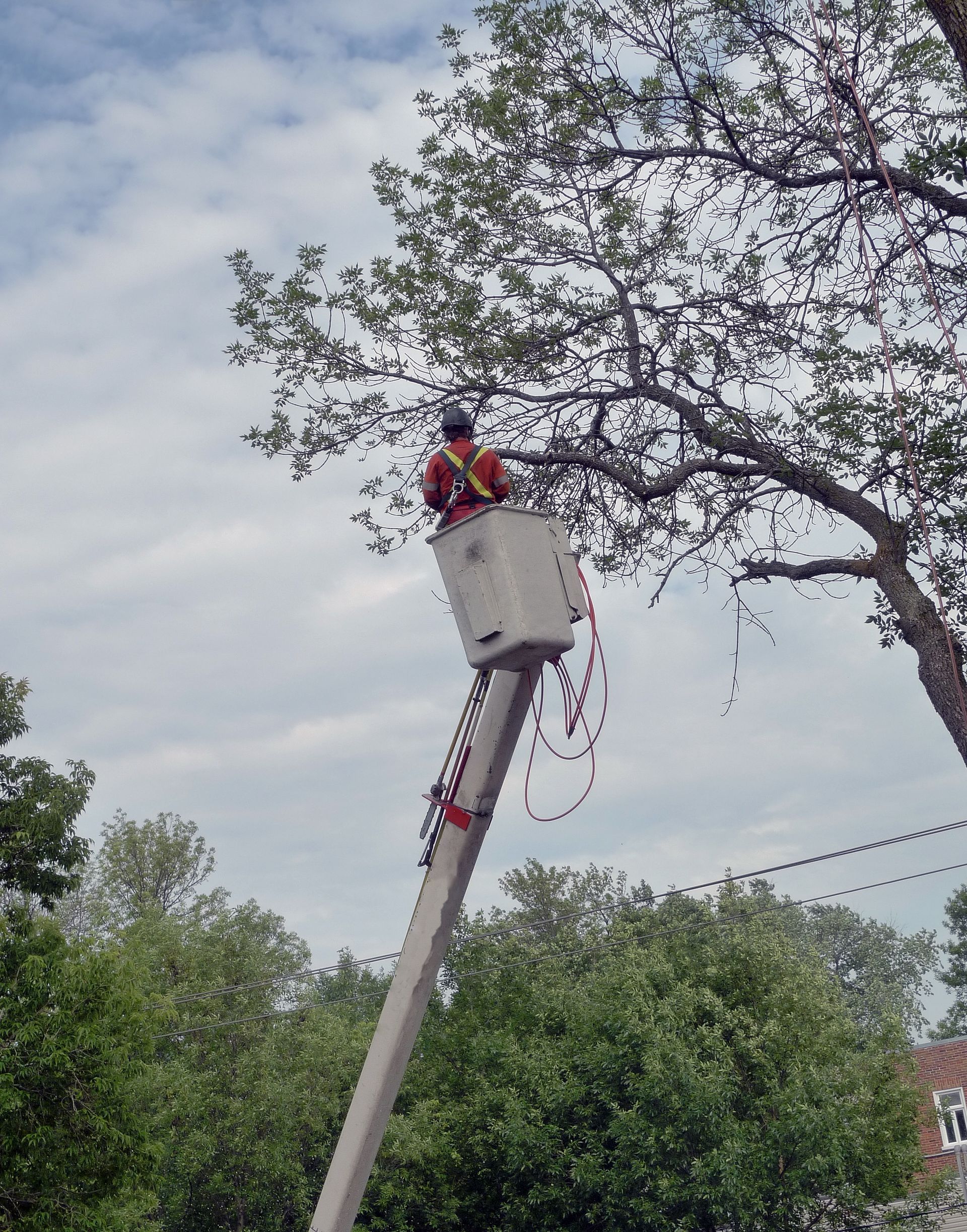
How Structural Pruning Addresses Long-Term Stability
Structural pruning focuses on establishing strong branch angles, eliminating competing leaders, and removing growth that creates weak attachment points prone to splitting under load. Cuts are made at the branch collar to promote proper wound closure, preventing decay from entering the main trunk. Timing varies by species, with most deciduous trees trimmed during dormancy to reduce stress and limit sap loss.
Once trimming is complete, your canopy no longer scrapes against roofing materials during wind events, power lines remain clear of contact, and dead limbs no longer hang overhead waiting to drop during the next storm. Thinned canopies allow light to reach underlying plantings and reduce the surface area that catches wind, decreasing the likelihood of branch failure.
Seasonal trimming schedules account for growth patterns specific to species common in El Paso, including desert willows, mulberries, and ornamental ash. Each requires different approaches to deadwood removal, canopy shaping, and clearance maintenance based on how aggressively they grow and where branches tend to fail.
Answers to Frequent Service Questions
Pruning raises questions about timing, extent of cutting, and how different tree types respond to trimming.
What is the difference between crown thinning and crown reduction?
Crown thinning removes selective interior branches to reduce density and weight, while crown reduction shortens the overall height or spread by cutting back to lateral branches.
How often should trees be trimmed in El Paso's climate?
Most mature trees benefit from pruning every two to three years, though fast-growing species and those near structures may require annual attention to manage clearance and remove deadwood.
Why does deadwood removal matter if the tree still looks healthy?
Dead branches become brittle and unpredictable, breaking without warning during wind or monsoon rains and creating hazards for anyone beneath the canopy.
What happens if branches are cut too close to the trunk?
Cuts made flush with the trunk remove the branch collar, eliminating the tree's natural defense zone and allowing decay to spread into the main stem rather than compartmentalizing at the wound site.
When is clearance pruning required for power lines?
Any branch within ten feet of a power line should be trimmed to prevent contact during wind events, arcing during storms, or service interruptions caused by limb interference.
TLC Unlimited assesses canopy health, identifies structural weaknesses, and removes limbs that threaten property or compromise tree stability. Schedule a trimming evaluation to establish a maintenance plan suited to your landscape's specific needs.